 Research feed
  Overview
  Microbiome Signature
  Interventions
  FAQs
FAQs  Research Feed
  Update History
  References
 2025-11-25 19:11:11
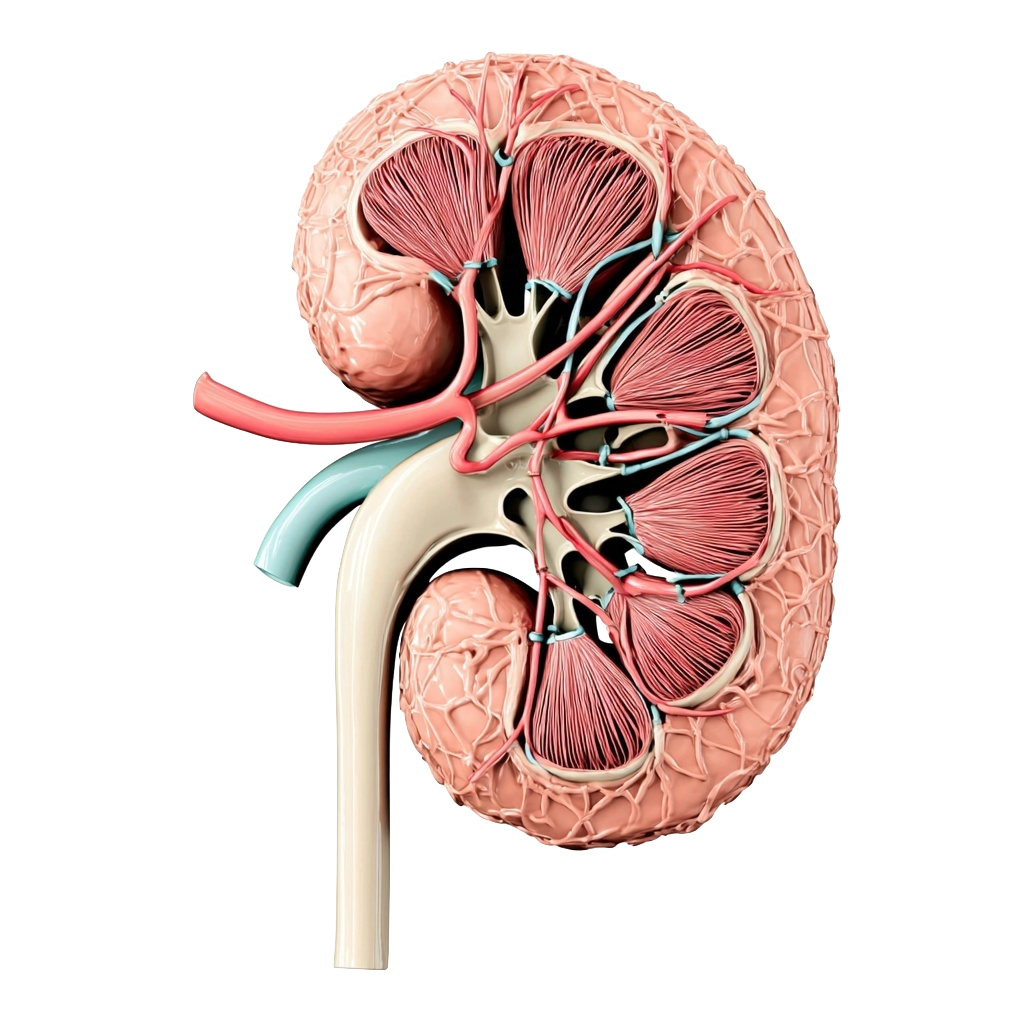
Chronic Kidney Disease (CKD) majorpublished

Did you know?
The bidirectional relationship between diabetes and CKD creates a vicious cycle in which each condition perpetuates the other. Diabetic patients who develop CKD show accelerated progression of kidney disease and markedly increased cardiovascular event rates compared to nondiabetic CKD populations.
Researched by:


Dysbiosis in chronic kidney disease (CKD) reflects a shift toward reduced beneficial taxa and increased pathogenic, uremic toxin-producing species, driven by a bidirectional interaction in which the uremic environment disrupts microbial composition and dysbiotic metabolites accelerate renal deterioration.
Researched by:
Microbiome-targeted interventions (MBTIs) are validated using a dual-evidence logical framework. First, the intervention must realign the condition’s microbiome signature by increasing beneficial taxa that are consistently depleted and reducing pathogenic taxa that are consistently enriched. Second, the intervention must demonstrate measurable clinical benefit. Concordance of these effects in the same context validates the intervention as an MBTI and supports the clinical relevance of the microbiome signature.
Microbiome Signatures identifies and validates condition-specific microbiome shifts and interventions to accelerate clinical translation. Our multidisciplinary team supports clinicians, researchers, and innovators in turning microbiome science into actionable medicine.

Dysbiosis in chronic kidney disease (CKD) reflects a shift toward reduced beneficial taxa and increased pathogenic, uremic toxin-producing species, driven by a bidirectional interaction in which the uremic environment disrupts microbial composition and dysbiotic metabolites accelerate renal deterioration. [1][2] Loss of microbial diversity, diminished short-chain fatty acid (SCFA)-producing genera such as Faecalibacterium, Roseburia, and Ruminococcus, and increased indoxyl sulfate and p-cresyl sulfate producers heighten intestinal permeability, systemic inflammation, and endotoxemia, all of which intensify kidney injury. [3] Evidence from fecal microbiota transplantation studies demonstrates that CKD-derived microbiota can directly promote renal fibrosis, supporting a dose-response relationship where the abundance of uremic toxin precursor species rises with advancing CKD and drives progressive renal damage. [4]
Associated conditions in chronic kidney disease encompass a broad spectrum of interrelated systemic complications that emerge early in renal impairment and intensify as kidney function declines. These complications reflect the kidney’s central role in metabolic, endocrine, cardiovascular, neuromuscular, and immunologic homeostasis, and their cumulative burden profoundly shapes patient outcomes. As dysregulated uremic metabolism, chronic inflammation, mineral imbalances, and microbiome disturbances converge, patients develop a characteristic pattern of comorbidities that includes cardiovascular disease, metabolic dysfunction, anemia, mineral bone disorder, neurocognitive decline, sarcopenia, and heightened infection susceptibility. The prevalence and severity of these conditions rise sharply across CKD stages, underscoring the need for early recognition, mechanistic understanding, and integrated therapeutic strategies.
Chronic kidney disease is increasingly understood as a condition shaped not only by impaired renal filtration but by a complex interplay between dysbiotic microbial communities, disrupted metabolite production, and altered metallomic homeostasis. As renal function declines, shifts in gut microbial composition generate pathogenic metabolites, weaken mucosal barrier integrity, amplify systemic inflammation, and modify host pathways involved in cardiovascular, metabolic, and neuroimmune regulation. Complementary but distinct conceptual hypotheses have emerged, including metabolic endotoxemia, dysbiosis-driven uremic toxin generation, toxic metal-driven metallomic dysbiosis, essential metal deficiency, TMAO-mediated cardiovascular injury, RAAS dysregulation, and disruption of the tryptophan-AhR axis. Together, these frameworks describe how altered microbial communities, their metabolites, and their metal handling properties converge on shared pathophysiological endpoints, including intestinal barrier failure, chronic inflammation, cardio-renal remodeling, neuropsychiatric impairment, and accelerated CKD progression.
The interplay between metal homeostasis, microbial dysbiosis, and metabolomic disruptions in chronic kidney disease reveals how systemic and localized factors converge to drive CKD progression. These interrelationships underscore the metallome, metabolome, and microbiome’s central role in the disease’s pathogenesis and highlight opportunities for microbiome-based diagnostics and microbiome-targeted interventions (MBTIs).
The development of CKD is fundamentally linked to dysbiosis through multiple interconnected mechanisms collectively termed the gut-kidney axis. Significant alterations in gut microbiome composition, richness, diversity, and blood and fecal metabolic composition have been consistently documented in patients with CKD and kidney failure, strongly supporting a crucial role of gut dysbiosis in the pathogenesis of CKD.[5] Studies have demonstrated that gut bacterial dysbiosis contributes to CKD via several critical mechanisms, including accumulation of uremic toxins, decreased production of short-chain fatty acids (SCFAs), disturbed enteroendocrine signaling, and development of a leaky gut barrier.[6]
The metabolomic signature of chronic kidney disease represents a complex constellation of altered metabolites reflecting impaired kidney clearance, intestinal dysbiosis, and systemic metabolic derangement. This signature includes elevated protein-derived uremic toxins (PCS, IS, PS, TMAO), small molecular weight retention solutes (urea, creatinine), accumulation of heavy metals, amino acid imbalances, bile acid alterations, and deficiency in beneficial short-chain fatty acids (SCFAs). The interplay between these metabolomic changes drives disease progression through multiple pathways involving inflammation, oxidative stress, fibrosis, and vascular dysfunction.[7] Understanding and modulating this metabolomic signature represents a promising therapeutic frontier for slowing CKD progression and improving patient outcomes.
Mismetallation represents a central yet underrecognized mechanism accelerating the progression of chronic kidney disease by allowing toxic heavy metals to displace essential metal cofactors within metalloproteins, metalloenzymes, and mitochondrial complexes. In CKD, impaired renal clearance amplifies the accumulation and bioactivity of cadmium, lead, mercury, arsenic, and chromium, all of which use ionic mimicry to substitute for physiologic metals such as zinc, iron, copper, manganese, and calcium. This displacement collapses antioxidant enzyme systems, impairs mitochondrial ATP generation, and initiates cell death pathways including apoptosis and ferroptosis. The renal proximal tubule, with its high metabolic demand and reliance on metal-dependent enzymatic and mitochondrial functions, is uniquely vulnerable. Mismetallation therefore acts as a unifying pathological process linking heavy metal exposure to oxidative stress, mitochondrial dysfunction, vascular injury, hypoxia–signaling dysregulation, and progressive nephron loss in CKD.
Nutritional immunity represents a critical arm of host defense in CKD, wherein essential transition metals, including iron, zinc, and manganese, are actively sequestered to prevent microbial proliferation. This metal-withholding strategy is mediated through a range of high-affinity host proteins, including calprotectin, transferrin, lipocalin-2, and hepcidin, which tightly regulate metal availability in both extracellular and intracellular compartments. However, in chronic kidney disease (CKD), over time, this finely tuned network results in a pathological state characterized by functional iron deficiency, zinc and manganese depletion, which collectively exacerbate anemia, promote tissue damage, and increase susceptibility to infection. Understanding how CKD results in these elevated nutritional immunity factors offers key insights into the disease’s complex interplay between immune dysfunction, mineral metabolism, host-pathogen interactions, and potential interventions.
A growing portfolio of mechanistically diverse interventions now targets the dysbiosis–uremic toxin–metallomic triad that characterizes CKD progression. The following section surveys key candidates that act along the gut–kidney axis and at the level of renal cellular biology, including carbon-based adsorbents that sequester uremic solutes in the intestinal lumen, mitochondrial protective agents that constrain oxidative injury, and prebiotic fibers that redirect nitrogen disposal toward the fecal compartment. Additional strategies encompass immunomodulatory and toxin-lowering proteins, biotherapeutic yeasts, and live bacterial therapeutics that restore barrier integrity, suppress pathobionts, and reduce production and systemic absorption of indoxyl sulfate, p-cresyl sulfate, and related metabolites. Finally, metallomic interventions such as dimethylglyoxime (DMG) nickel chelation directly address heavy metal–driven dysbiosis and enzymatic virulence. Together, these approaches exemplify how targeting microbial metabolism, uremic toxin handling, and metal homeostasis may complement or, in selected contexts, delay conventional renal replacement therapies while mitigating systemic complications of CKD.
Did you know?
The bidirectional relationship between diabetes and CKD creates a vicious cycle in which each condition perpetuates the other. Diabetic patients who develop CKD show accelerated progression of kidney disease and markedly increased cardiovascular event rates compared to nondiabetic CKD populations.
Did you know?
Short-chain fatty acids produced by gut microbes supply up to seventy percent of the energy used by colonocytes, making them fundamental regulators of intestinal barrier integrity and inflammation.
Alias iure reprehenderit aut accusantium. Molestiae dolore suscipit. Necessitatibus eum quaerat. Repudiandae suscipit quo necessitatibus. Voluptatibus ullam nulla temporibus nobis. Atque eaque sed totam est assumenda. Porro modi soluta consequuntur veritatis excepturi minus delectus reprehenderit est. Eveniet labore ut quas minima aliquid quibusdam. Vitae possimus fuga praesentium eveniet debitis exercitationem deleniti.
Did you know?
The bidirectional relationship between diabetes and CKD creates a vicious cycle in which each condition perpetuates the other. Diabetic patients who develop CKD show accelerated progression of kidney disease and markedly increased cardiovascular event rates compared to nondiabetic CKD populations.
Alias iure reprehenderit aut accusantium. Molestiae dolore suscipit. Necessitatibus eum quaerat. Repudiandae suscipit quo necessitatibus. Voluptatibus ullam nulla temporibus nobis. Atque eaque sed totam est assumenda. Porro modi soluta consequuntur veritatis excepturi minus delectus reprehenderit est. Eveniet labore ut quas minima aliquid quibusdam. Vitae possimus fuga praesentium eveniet debitis exercitationem deleniti.
Alias iure reprehenderit aut accusantium. Molestiae dolore suscipit. Necessitatibus eum quaerat. Repudiandae suscipit quo necessitatibus. Voluptatibus ullam nulla temporibus nobis. Atque eaque sed totam est assumenda. Porro modi soluta consequuntur veritatis excepturi minus delectus reprehenderit est. Eveniet labore ut quas minima aliquid quibusdam. Vitae possimus fuga praesentium eveniet debitis exercitationem deleniti.
Alias iure reprehenderit aut accusantium. Molestiae dolore suscipit. Necessitatibus eum quaerat. Repudiandae suscipit quo necessitatibus. Voluptatibus ullam nulla temporibus nobis. Atque eaque sed totam est assumenda. Porro modi soluta consequuntur veritatis excepturi minus delectus reprehenderit est. Eveniet labore ut quas minima aliquid quibusdam. Vitae possimus fuga praesentium eveniet debitis exercitationem deleniti.
Alias iure reprehenderit aut accusantium. Molestiae dolore suscipit. Necessitatibus eum quaerat. Repudiandae suscipit quo necessitatibus. Voluptatibus ullam nulla temporibus nobis. Atque eaque sed totam est assumenda. Porro modi soluta consequuntur veritatis excepturi minus delectus reprehenderit est. Eveniet labore ut quas minima aliquid quibusdam. Vitae possimus fuga praesentium eveniet debitis exercitationem deleniti.
Alias iure reprehenderit aut accusantium. Molestiae dolore suscipit. Necessitatibus eum quaerat. Repudiandae suscipit quo necessitatibus. Voluptatibus ullam nulla temporibus nobis. Atque eaque sed totam est assumenda. Porro modi soluta consequuntur veritatis excepturi minus delectus reprehenderit est. Eveniet labore ut quas minima aliquid quibusdam. Vitae possimus fuga praesentium eveniet debitis exercitationem deleniti.
Alias iure reprehenderit aut accusantium. Molestiae dolore suscipit. Necessitatibus eum quaerat. Repudiandae suscipit quo necessitatibus. Voluptatibus ullam nulla temporibus nobis. Atque eaque sed totam est assumenda. Porro modi soluta consequuntur veritatis excepturi minus delectus reprehenderit est. Eveniet labore ut quas minima aliquid quibusdam. Vitae possimus fuga praesentium eveniet debitis exercitationem deleniti.
Alias iure reprehenderit aut accusantium. Molestiae dolore suscipit. Necessitatibus eum quaerat. Repudiandae suscipit quo necessitatibus. Voluptatibus ullam nulla temporibus nobis. Atque eaque sed totam est assumenda. Porro modi soluta consequuntur veritatis excepturi minus delectus reprehenderit est. Eveniet labore ut quas minima aliquid quibusdam. Vitae possimus fuga praesentium eveniet debitis exercitationem deleniti.
Alias iure reprehenderit aut accusantium. Molestiae dolore suscipit. Necessitatibus eum quaerat. Repudiandae suscipit quo necessitatibus. Voluptatibus ullam nulla temporibus nobis. Atque eaque sed totam est assumenda. Porro modi soluta consequuntur veritatis excepturi minus delectus reprehenderit est. Eveniet labore ut quas minima aliquid quibusdam. Vitae possimus fuga praesentium eveniet debitis exercitationem deleniti.
Alias iure reprehenderit aut accusantium. Molestiae dolore suscipit. Necessitatibus eum quaerat. Repudiandae suscipit quo necessitatibus. Voluptatibus ullam nulla temporibus nobis. Atque eaque sed totam est assumenda. Porro modi soluta consequuntur veritatis excepturi minus delectus reprehenderit est. Eveniet labore ut quas minima aliquid quibusdam. Vitae possimus fuga praesentium eveniet debitis exercitationem deleniti.
Alias iure reprehenderit aut accusantium. Molestiae dolore suscipit. Necessitatibus eum quaerat. Repudiandae suscipit quo necessitatibus. Voluptatibus ullam nulla temporibus nobis. Atque eaque sed totam est assumenda. Porro modi soluta consequuntur veritatis excepturi minus delectus reprehenderit est. Eveniet labore ut quas minima aliquid quibusdam. Vitae possimus fuga praesentium eveniet debitis exercitationem deleniti.
Alias iure reprehenderit aut accusantium. Molestiae dolore suscipit. Necessitatibus eum quaerat. Repudiandae suscipit quo necessitatibus. Voluptatibus ullam nulla temporibus nobis. Atque eaque sed totam est assumenda. Porro modi soluta consequuntur veritatis excepturi minus delectus reprehenderit est. Eveniet labore ut quas minima aliquid quibusdam. Vitae possimus fuga praesentium eveniet debitis exercitationem deleniti.
Alias iure reprehenderit aut accusantium. Molestiae dolore suscipit. Necessitatibus eum quaerat. Repudiandae suscipit quo necessitatibus. Voluptatibus ullam nulla temporibus nobis. Atque eaque sed totam est assumenda. Porro modi soluta consequuntur veritatis excepturi minus delectus reprehenderit est. Eveniet labore ut quas minima aliquid quibusdam. Vitae possimus fuga praesentium eveniet debitis exercitationem deleniti.
Alias iure reprehenderit aut accusantium. Molestiae dolore suscipit. Necessitatibus eum quaerat. Repudiandae suscipit quo necessitatibus. Voluptatibus ullam nulla temporibus nobis. Atque eaque sed totam est assumenda. Porro modi soluta consequuntur veritatis excepturi minus delectus reprehenderit est. Eveniet labore ut quas minima aliquid quibusdam. Vitae possimus fuga praesentium eveniet debitis exercitationem deleniti.
Heavy metals influence microbial pathogenicity in two ways: they can be toxic to microbes by disrupting cellular functions and inducing oxidative stress, and they can be exploited by pathogens to enhance survival, resist treatment, and evade immunity. Understanding metal–microbe interactions supports better antimicrobial and public health strategies.
Alias iure reprehenderit aut accusantium. Molestiae dolore suscipit. Necessitatibus eum quaerat. Repudiandae suscipit quo necessitatibus. Voluptatibus ullam nulla temporibus nobis. Atque eaque sed totam est assumenda. Porro modi soluta consequuntur veritatis excepturi minus delectus reprehenderit est. Eveniet labore ut quas minima aliquid quibusdam. Vitae possimus fuga praesentium eveniet debitis exercitationem deleniti.
Did you know?
Gut microbiota-derived metabolite trimethylamine N-oxide (TMAO) is strongly linked to cardiovascular disease, potentially influencing atherosclerosis more than cholesterol, making the gut microbiome a key therapeutic target.
Alias iure reprehenderit aut accusantium. Molestiae dolore suscipit. Necessitatibus eum quaerat. Repudiandae suscipit quo necessitatibus. Voluptatibus ullam nulla temporibus nobis. Atque eaque sed totam est assumenda. Porro modi soluta consequuntur veritatis excepturi minus delectus reprehenderit est. Eveniet labore ut quas minima aliquid quibusdam. Vitae possimus fuga praesentium eveniet debitis exercitationem deleniti.
Alias iure reprehenderit aut accusantium. Molestiae dolore suscipit. Necessitatibus eum quaerat. Repudiandae suscipit quo necessitatibus. Voluptatibus ullam nulla temporibus nobis. Atque eaque sed totam est assumenda. Porro modi soluta consequuntur veritatis excepturi minus delectus reprehenderit est. Eveniet labore ut quas minima aliquid quibusdam. Vitae possimus fuga praesentium eveniet debitis exercitationem deleniti.
Heavy metals influence microbial pathogenicity in two ways: they can be toxic to microbes by disrupting cellular functions and inducing oxidative stress, and they can be exploited by pathogens to enhance survival, resist treatment, and evade immunity. Understanding metal–microbe interactions supports better antimicrobial and public health strategies.
Microbes are microscopic organisms living in and on the human body, shaping health through digestion, vitamin production, and immune protection. When microbial balance is disrupted, disease can occur. This guide explains the key types of microorganisms, bacteria, viruses, fungi, protozoa, and archaea, along with major examples of pathogenic and beneficial species.
Alias iure reprehenderit aut accusantium. Molestiae dolore suscipit. Necessitatibus eum quaerat. Repudiandae suscipit quo necessitatibus. Voluptatibus ullam nulla temporibus nobis. Atque eaque sed totam est assumenda. Porro modi soluta consequuntur veritatis excepturi minus delectus reprehenderit est. Eveniet labore ut quas minima aliquid quibusdam. Vitae possimus fuga praesentium eveniet debitis exercitationem deleniti.
Heavy metals influence microbial pathogenicity in two ways: they can be toxic to microbes by disrupting cellular functions and inducing oxidative stress, and they can be exploited by pathogens to enhance survival, resist treatment, and evade immunity. Understanding metal–microbe interactions supports better antimicrobial and public health strategies.
Did you know?
The bidirectional relationship between diabetes and CKD creates a vicious cycle in which each condition perpetuates the other. Diabetic patients who develop CKD show accelerated progression of kidney disease and markedly increased cardiovascular event rates compared to nondiabetic CKD populations.
Alias iure reprehenderit aut accusantium. Molestiae dolore suscipit. Necessitatibus eum quaerat. Repudiandae suscipit quo necessitatibus. Voluptatibus ullam nulla temporibus nobis. Atque eaque sed totam est assumenda. Porro modi soluta consequuntur veritatis excepturi minus delectus reprehenderit est. Eveniet labore ut quas minima aliquid quibusdam. Vitae possimus fuga praesentium eveniet debitis exercitationem deleniti.
Did you know?
Gut microbiota-derived metabolite trimethylamine N-oxide (TMAO) is strongly linked to cardiovascular disease, potentially influencing atherosclerosis more than cholesterol, making the gut microbiome a key therapeutic target.
Alias iure reprehenderit aut accusantium. Molestiae dolore suscipit. Necessitatibus eum quaerat. Repudiandae suscipit quo necessitatibus. Voluptatibus ullam nulla temporibus nobis. Atque eaque sed totam est assumenda. Porro modi soluta consequuntur veritatis excepturi minus delectus reprehenderit est. Eveniet labore ut quas minima aliquid quibusdam. Vitae possimus fuga praesentium eveniet debitis exercitationem deleniti.
Alias iure reprehenderit aut accusantium. Molestiae dolore suscipit. Necessitatibus eum quaerat. Repudiandae suscipit quo necessitatibus. Voluptatibus ullam nulla temporibus nobis. Atque eaque sed totam est assumenda. Porro modi soluta consequuntur veritatis excepturi minus delectus reprehenderit est. Eveniet labore ut quas minima aliquid quibusdam. Vitae possimus fuga praesentium eveniet debitis exercitationem deleniti.
Heavy metals influence microbial pathogenicity in two ways: they can be toxic to microbes by disrupting cellular functions and inducing oxidative stress, and they can be exploited by pathogens to enhance survival, resist treatment, and evade immunity. Understanding metal–microbe interactions supports better antimicrobial and public health strategies.
Alias iure reprehenderit aut accusantium. Molestiae dolore suscipit. Necessitatibus eum quaerat. Repudiandae suscipit quo necessitatibus. Voluptatibus ullam nulla temporibus nobis. Atque eaque sed totam est assumenda. Porro modi soluta consequuntur veritatis excepturi minus delectus reprehenderit est. Eveniet labore ut quas minima aliquid quibusdam. Vitae possimus fuga praesentium eveniet debitis exercitationem deleniti.
Did you know?
The bidirectional relationship between diabetes and CKD creates a vicious cycle in which each condition perpetuates the other. Diabetic patients who develop CKD show accelerated progression of kidney disease and markedly increased cardiovascular event rates compared to nondiabetic CKD populations.
Alias iure reprehenderit aut accusantium. Molestiae dolore suscipit. Necessitatibus eum quaerat. Repudiandae suscipit quo necessitatibus. Voluptatibus ullam nulla temporibus nobis. Atque eaque sed totam est assumenda. Porro modi soluta consequuntur veritatis excepturi minus delectus reprehenderit est. Eveniet labore ut quas minima aliquid quibusdam. Vitae possimus fuga praesentium eveniet debitis exercitationem deleniti.
Heavy metals influence microbial pathogenicity in two ways: they can be toxic to microbes by disrupting cellular functions and inducing oxidative stress, and they can be exploited by pathogens to enhance survival, resist treatment, and evade immunity. Understanding metal–microbe interactions supports better antimicrobial and public health strategies.
Alias iure reprehenderit aut accusantium. Molestiae dolore suscipit. Necessitatibus eum quaerat. Repudiandae suscipit quo necessitatibus. Voluptatibus ullam nulla temporibus nobis. Atque eaque sed totam est assumenda. Porro modi soluta consequuntur veritatis excepturi minus delectus reprehenderit est. Eveniet labore ut quas minima aliquid quibusdam. Vitae possimus fuga praesentium eveniet debitis exercitationem deleniti.
Heavy metals influence microbial pathogenicity in two ways: they can be toxic to microbes by disrupting cellular functions and inducing oxidative stress, and they can be exploited by pathogens to enhance survival, resist treatment, and evade immunity. Understanding metal–microbe interactions supports better antimicrobial and public health strategies.
Alias iure reprehenderit aut accusantium. Molestiae dolore suscipit. Necessitatibus eum quaerat. Repudiandae suscipit quo necessitatibus. Voluptatibus ullam nulla temporibus nobis. Atque eaque sed totam est assumenda. Porro modi soluta consequuntur veritatis excepturi minus delectus reprehenderit est. Eveniet labore ut quas minima aliquid quibusdam. Vitae possimus fuga praesentium eveniet debitis exercitationem deleniti.
Did you know?
The bidirectional relationship between diabetes and CKD creates a vicious cycle in which each condition perpetuates the other. Diabetic patients who develop CKD show accelerated progression of kidney disease and markedly increased cardiovascular event rates compared to nondiabetic CKD populations.
Alias iure reprehenderit aut accusantium. Molestiae dolore suscipit. Necessitatibus eum quaerat. Repudiandae suscipit quo necessitatibus. Voluptatibus ullam nulla temporibus nobis. Atque eaque sed totam est assumenda. Porro modi soluta consequuntur veritatis excepturi minus delectus reprehenderit est. Eveniet labore ut quas minima aliquid quibusdam. Vitae possimus fuga praesentium eveniet debitis exercitationem deleniti.
Did you know?
The bidirectional relationship between diabetes and CKD creates a vicious cycle in which each condition perpetuates the other. Diabetic patients who develop CKD show accelerated progression of kidney disease and markedly increased cardiovascular event rates compared to nondiabetic CKD populations.
Did you know?
Short-chain fatty acids produced by gut microbes supply up to seventy percent of the energy used by colonocytes, making them fundamental regulators of intestinal barrier integrity and inflammation.
Alias iure reprehenderit aut accusantium. Molestiae dolore suscipit. Necessitatibus eum quaerat. Repudiandae suscipit quo necessitatibus. Voluptatibus ullam nulla temporibus nobis. Atque eaque sed totam est assumenda. Porro modi soluta consequuntur veritatis excepturi minus delectus reprehenderit est. Eveniet labore ut quas minima aliquid quibusdam. Vitae possimus fuga praesentium eveniet debitis exercitationem deleniti.
2025-11-25 19:11:11
Chronic Kidney Disease (CKD) majorpublished
Short-chain fatty acids are microbially derived metabolites that regulate epithelial integrity, immune signaling, and microbial ecology. Their production patterns and mechanistic roles provide essential functional markers within microbiome signatures and support the interpretation of MBTIs, MMAs, and systems-level microbial shifts across clinical conditions.
Anemia is a reduction in red blood cells or hemoglobin, often influenced by the gut microbiome's impact on nutrient absorption.
Transition metals like iron, zinc, copper, and manganese are crucial for the enzymatic machinery of organisms, but their imbalance can foster pathogenic environments within the gastrointestinal tract.
TMAO is a metabolite formed when gut bacteria convert dietary nutrients like choline and L-carnitine into trimethylamine (TMA), which is then oxidized in the liver to TMAO. This compound is linked to cardiovascular disease, as it promotes atherosclerosis, thrombosis, and inflammation, highlighting the crucial role of gut microbiota in influencing heart health.
Transition metals like iron, zinc, copper, and manganese are crucial for the enzymatic machinery of organisms, but their imbalance can foster pathogenic environments within the gastrointestinal tract.
Microbiome Targeted Interventions (MBTIs) are cutting-edge treatments that utilize information from Microbiome Signatures to modulate the microbiome, revolutionizing medicine with unparalleled precision and impact.
Short-chain fatty acids are microbially derived metabolites that regulate epithelial integrity, immune signaling, and microbial ecology. Their production patterns and mechanistic roles provide essential functional markers within microbiome signatures and support the interpretation of MBTIs, MMAs, and systems-level microbial shifts across clinical conditions.
TMAO is a metabolite formed when gut bacteria convert dietary nutrients like choline and L-carnitine into trimethylamine (TMA), which is then oxidized in the liver to TMAO. This compound is linked to cardiovascular disease, as it promotes atherosclerosis, thrombosis, and inflammation, highlighting the crucial role of gut microbiota in influencing heart health.
Short-chain fatty acids are microbially derived metabolites that regulate epithelial integrity, immune signaling, and microbial ecology. Their production patterns and mechanistic roles provide essential functional markers within microbiome signatures and support the interpretation of MBTIs, MMAs, and systems-level microbial shifts across clinical conditions.
Nutritional immunity restricts metal access to pathogens, leveraging sequestration, transport, and toxicity to control infections and immunity.
Dimethylglyoxime represents a novel therapeutic paradigm that exploits a fundamental metabolic difference between pathogenic bacteria and their mammalian hosts. By selectively depleting bacterial access to nickel, a cofactor essential for multiple pathogenic enzymes but unnecessary for human physiology, DMG offers a theoretically host-sparing antimicrobial approach.
Dysbiosis in chronic kidney disease (CKD) reflects a shift toward reduced beneficial taxa and increased pathogenic, uremic toxin-producing species, driven by a bidirectional interaction in which the uremic environment disrupts microbial composition and dysbiotic metabolites accelerate renal deterioration.
Short-chain fatty acids are microbially derived metabolites that regulate epithelial integrity, immune signaling, and microbial ecology. Their production patterns and mechanistic roles provide essential functional markers within microbiome signatures and support the interpretation of MBTIs, MMAs, and systems-level microbial shifts across clinical conditions.
Dysbiosis in chronic kidney disease (CKD) reflects a shift toward reduced beneficial taxa and increased pathogenic, uremic toxin-producing species, driven by a bidirectional interaction in which the uremic environment disrupts microbial composition and dysbiotic metabolites accelerate renal deterioration.
Heavy metals influence microbial pathogenicity in two ways: they can be toxic to microbes by disrupting cellular functions and inducing oxidative stress, and they can be exploited by pathogens to enhance survival, resist treatment, and evade immunity. Understanding metal–microbe interactions supports better antimicrobial and public health strategies.
Recent research has revealed that specific gut microbiota-derived metabolites are strongly linked to cardiovascular disease risk, potentially influencing atherosclerosis development more than traditional risk factors like cholesterol levels. This highlights the gut microbiome as a novel therapeutic target for cardiovascular interventions.
TMAO is a metabolite formed when gut bacteria convert dietary nutrients like choline and L-carnitine into trimethylamine (TMA), which is then oxidized in the liver to TMAO. This compound is linked to cardiovascular disease, as it promotes atherosclerosis, thrombosis, and inflammation, highlighting the crucial role of gut microbiota in influencing heart health.
Heavy metals influence microbial pathogenicity in two ways: they can be toxic to microbes by disrupting cellular functions and inducing oxidative stress, and they can be exploited by pathogens to enhance survival, resist treatment, and evade immunity. Understanding metal–microbe interactions supports better antimicrobial and public health strategies.
Microbes are microscopic organisms living in and on the human body, shaping health through digestion, vitamin production, and immune protection. When microbial balance is disrupted, disease can occur. This guide explains key microbe types, bacteria, viruses, fungi, protozoa, and archaea, plus major pathogenic and beneficial examples.
Heavy metals influence microbial pathogenicity in two ways: they can be toxic to microbes by disrupting cellular functions and inducing oxidative stress, and they can be exploited by pathogens to enhance survival, resist treatment, and evade immunity. Understanding metal–microbe interactions supports better antimicrobial and public health strategies.
Dysbiosis in chronic kidney disease (CKD) reflects a shift toward reduced beneficial taxa and increased pathogenic, uremic toxin-producing species, driven by a bidirectional interaction in which the uremic environment disrupts microbial composition and dysbiotic metabolites accelerate renal deterioration.
Recent research has revealed that specific gut microbiota-derived metabolites are strongly linked to cardiovascular disease risk, potentially influencing atherosclerosis development more than traditional risk factors like cholesterol levels. This highlights the gut microbiome as a novel therapeutic target for cardiovascular interventions.
TMAO is a metabolite formed when gut bacteria convert dietary nutrients like choline and L-carnitine into trimethylamine (TMA), which is then oxidized in the liver to TMAO. This compound is linked to cardiovascular disease, as it promotes atherosclerosis, thrombosis, and inflammation, highlighting the crucial role of gut microbiota in influencing heart health.
Heavy metals influence microbial pathogenicity in two ways: they can be toxic to microbes by disrupting cellular functions and inducing oxidative stress, and they can be exploited by pathogens to enhance survival, resist treatment, and evade immunity. Understanding metal–microbe interactions supports better antimicrobial and public health strategies.
Dysbiosis in chronic kidney disease (CKD) reflects a shift toward reduced beneficial taxa and increased pathogenic, uremic toxin-producing species, driven by a bidirectional interaction in which the uremic environment disrupts microbial composition and dysbiotic metabolites accelerate renal deterioration.
Heavy metals influence microbial pathogenicity in two ways: they can be toxic to microbes by disrupting cellular functions and inducing oxidative stress, and they can be exploited by pathogens to enhance survival, resist treatment, and evade immunity. Understanding metal–microbe interactions supports better antimicrobial and public health strategies.
Heavy metals influence microbial pathogenicity in two ways: they can be toxic to microbes by disrupting cellular functions and inducing oxidative stress, and they can be exploited by pathogens to enhance survival, resist treatment, and evade immunity. Understanding metal–microbe interactions supports better antimicrobial and public health strategies.
Dysbiosis in chronic kidney disease (CKD) reflects a shift toward reduced beneficial taxa and increased pathogenic, uremic toxin-producing species, driven by a bidirectional interaction in which the uremic environment disrupts microbial composition and dysbiotic metabolites accelerate renal deterioration.
Dysbiosis in chronic kidney disease (CKD) reflects a shift toward reduced beneficial taxa and increased pathogenic, uremic toxin-producing species, driven by a bidirectional interaction in which the uremic environment disrupts microbial composition and dysbiotic metabolites accelerate renal deterioration.
Short-chain fatty acids are microbially derived metabolites that regulate epithelial integrity, immune signaling, and microbial ecology. Their production patterns and mechanistic roles provide essential functional markers within microbiome signatures and support the interpretation of MBTIs, MMAs, and systems-level microbial shifts across clinical conditions.
Z. Ea, A. Sm, A. Nm, and K. Mo
Assembled human microbiome and metabolome in chronic kidney disease: Dysbiosis a double-edged sword interlinking Circ-YAP1, Circ-APOE and Circ-SLC8A1Toxicol Rep. 2025 May 29;14:102058.
J. Kemp, M. Ribeiro, N. Borges, L. Cardozo, D. Fouque, and D. Mafra,
Dietary Intake and Gut Microbiome in Chronic Kidney Disease.American Society of Nephrology. Clinical Journal, Mar. 2025
I. L. Suliman et al.
Gut Microbiome in Patients with Chronic Kidney Disease Stages 4 and 5: A Systematic Literature ReviewInternational Journal of Molecular Sciences, Nov. 2025
M. Laiola et al.
Toxic microbiome and progression of chronic kidney disease: insights from a longitudinal CKD-Microbiome StudyGut, Jun. 2025
Ji Bian, Ann Liebert, et al.
Therapeutic Potential of Photobiomodulation for Chronic Kidney Disease.International Journal of Molecular Sciences. 2022.
Ji Bian, Ann Liebert, et al.
Therapeutic Potential of Photobiomodulation for Chronic Kidney Disease.International Journal of Molecular Sciences. 2022.
Ji Bian, Ann Liebert et al.
Therapeutic Potential of Photobiomodulation for Chronic Kidney Disease.International Journal of Molecular Sciences. 2022.